

Skating Toward Success: Lukas Peterson's Path from Online Student to Division I Athlete
Discover how flexible online learning through Catholic Academy helped Lukas Peterson balance elite junior hockey, earn NCAA eligibility, and achieve...
4 min read
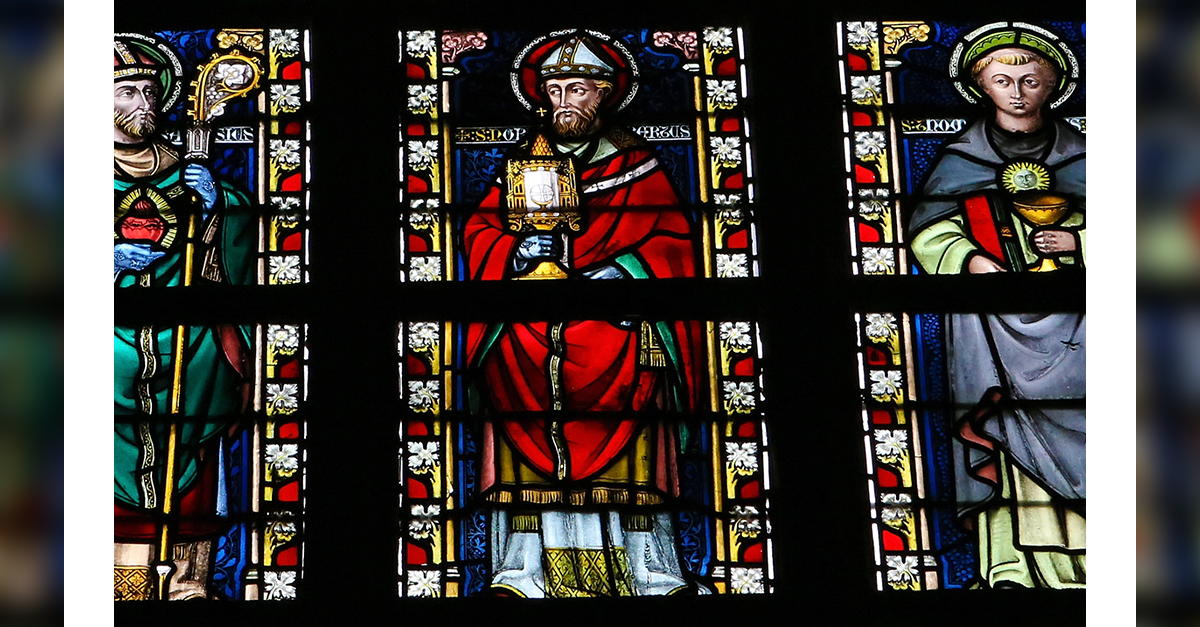
Catholic families can celebrate All Saints’ Day and honor saints year-round through prayer, stories, art, and service that inspire everyday holiness at home.
In many Catholic homes, faith helps shape the patterns of prayer, learning, and everyday family life. Reflecting on the saints—holy men and women who followed Jesus faithfully and now share eternal life in heaven—offers parents a meaningful way to encourage their children and deepen their understanding of the call to holiness.
The Church teaches that every Christian is called to become a saint. Saints are those in heaven, whether formally canonized or not, who lived with love, courage, and virtue, gave themselves in service to others, or stayed faithful through suffering. Their lives show that ordinary people can follow Jesus in extraordinary ways.
Celebrated each year on November 1, All Saints’ Day highlights this universal call to holiness. It invites Catholic families to honor the saints, reflect on what it means to live faithfully, and draw inspiration from their witness. In this article, we explore the Church’s teaching on the saints and share practical ways to celebrate them at home on All Saints’ Day and throughout the year.
In Catholic teaching, a saint is someone who lived a holy life on earth and now shares eternal life with God in heaven. Some saints are widely known, such as St. Francis of Assisi and St. Thérèse of Lisieux, while many others are known only to God. What they share is a deep love for God, courageous faith, and a daily commitment to following Jesus.
The Church teaches that every Christian is called to holiness. Those in heaven—whether officially canonized or not—are saints because they lived lives of heroic virtue, gave themselves in love for others, or remained faithful through suffering. Their witness shows children and families that holiness is possible for anyone, in any place or season of life.
The saints remind us that ordinary people—parents, children, neighbors, teachers, and friends—can do extraordinary things when they trust God and live with love. Learning about their lives helps children understand that following Jesus is not only for adults, clergy, or people from long ago, but for every member of the family today.
Catholics honor the saints for two main reasons:
Witness of Holiness: Saints are role models whose lives show us how to follow Jesus in everyday life. Their acts of love, courage, and faithfulness remind children and adults alike that it’s possible to live a holy life.
Intercession: Catholics believe that saints, already in heaven, continue to care for us on earth. Just as we might ask a friend or family member to pray for us, we can ask the saints to pray for us too.
Honoring saints is never worship. Instead, celebrating saints helps families feel part of the larger Communion of Saints, connected across time and space, all loving and serving God together.
All Saints’ Day, or the Solemnity of All Saints, is celebrated on November 1. It is a Holy Day of Obligation, which means Catholics are called to attend Mass. The day honors all saints, known and unknown, who now live with God in heaven.
All Saints’ Day is more than a day to attend Mass. It’s a special chance for families to grow closer in faith and to help children understand that sainthood is a calling for everyone. Celebrating together reminds children that holiness is not just for adults or people from long ago. Instead, it’s something each of us can live out in our homes, schools, and communities every day.
Start the day by attending Mass as a family. You may also want to gather the family for a prayer service at home. Talk about the Communion of Saints and pray for each other’s intentions.
Invite each family member to dress as their favorite saint. Each participant can share one thing about their saint’s life, helping everyone learn about the different ways people have followed Jesus. Bonus if you expand your parade to include other families so you can learn even more about saints from others’ participation.
Together, choose and research a saint whose life connects to your family’s own interest. Older children can independently learn about saints while younger children can make saint holy cards, drawings, or simple posters to display around the house.
Art: Make saint holy cards or paper “stained-glass” windows with saint images.
Music: Sing hymns such as For All the Saints.
Storytelling: Read saint biographies aloud, highlighting examples of courage, kindness, and love of God.
Families can celebrate by doing small acts of service. Collect food or clothing for those in need, volunteer together for a cause you all care about, or help a neighbor, in honor of saints like St. Vincent de Paul or St. Teresa of Calcutta.
Celebrating All Saints’ Day is just the beginning. The lives of saints can inspire families every day, showing that faith can be lived in countless ways, in homes, schools, and communities.
Religion Lessons: Highlight a “Saint of the Month” connected to virtues or liturgical feasts.
History and Social Studies: Explore saints who shaped culture, like St. Thomas More or St. Joan of Arc.
Science: Introduce patron saints of science and medicine, such as St. Albert the Great or St. Gianna Beretta Molla.
Language Arts: Read saint biographies and encourage children to reflect, draw, or write about what they learned.
Virtue Charts or Rewards: Recognize children when they demonstrate qualities like kindness, courage, or generosity.
Prayer Corner or Home Shrine: Dedicate a space for the “Saint of the Month” with a short biography, image, and prayer.
Patron Saint Connections: Encourage children to choose a patron saint and regularly ask for their intercession.
A saint’s feast day is a special day the Church dedicates to honoring that saint’s life, witness, and entrance into eternal life with God. Families can mark the occasion by praying together, reading a story, or doing a simple activity that keeps the example of the saints present in everyday life.
The saints remind us that holiness is within reach for everyone. All Saints’ Day offers families a meaningful opportunity to celebrate the Communion of Saints, honor faithful role models, and encourage children to live with faith, hope, and love. Through prayer, stories, art, music, and small acts of service—and by remembering the saints throughout the year—Catholic families can help children grow in faith, draw inspiration from the saints, and follow Jesus in their own unique and holy ways.

%20takes%20the%20puck%20out%20of%20the%20zone%20against%20Delbarton%20during%20the%20first%20round%20of%20the%20Gordon%20Cup%20at%20the%20Ice%20Vault%20on%202_25_21_.png)
Discover how flexible online learning through Catholic Academy helped Lukas Peterson balance elite junior hockey, earn NCAA eligibility, and achieve...

In today’s connected world, learning a second language is one of the most valuable gifts families can offer children. Beyond academics, it opens...

Families who homeschool often look for ways to challenge their high school students academically while preparing them for college. As colleges and...